Are you ready for less upkeep without giving up the charm that drew you to the Connecticut shoreline in the first place? If you are thinking about downsizing to Essex, you are not alone, and you are probably weighing more than square footage. You want a home that feels manageable, well located, and easy to enjoy day to day. This guide will help you think through what “in-town” really means in Essex, what home options you may find, and what details matter most as you plan your move. Let’s dive in.
Why Essex appeals to downsizers
Essex offers a village-centered lifestyle that stands out on the shoreline. The town is made up of Essex, Centerbrook, and Ivoryton, and local planning documents emphasize future growth in these village and central areas with more compact development and a wider range of housing options. That matters if you want a home that supports simpler living without feeling disconnected.
The town also recognizes a challenge many downsizers face. Essex’s Affordable Housing Plan notes that rising property values and taxes have made it harder for some older residents to stay in town, and it specifically prioritizes broader housing choice along with first-floor and accessibility-friendly units. In other words, the need for right-sized housing in Essex is real and openly acknowledged at the local level.
From a market perspective, Essex remains a high-value shoreline town. Zillow reports an average home value of $637,143, while Realtor.com reports a median listing price of about $787,000, with 44 properties for sale and 29 days on market. These numbers come from different methods, so they are best used as a general snapshot rather than a direct comparison.
What “in-town” means in Essex
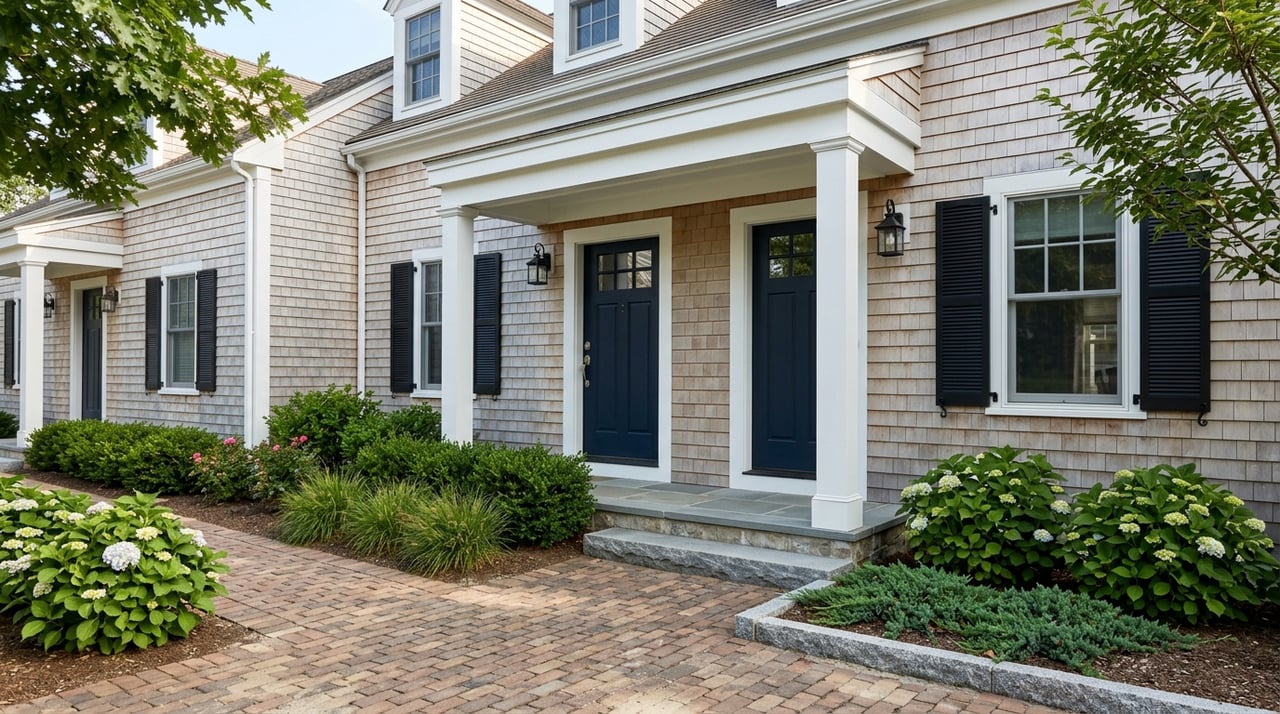
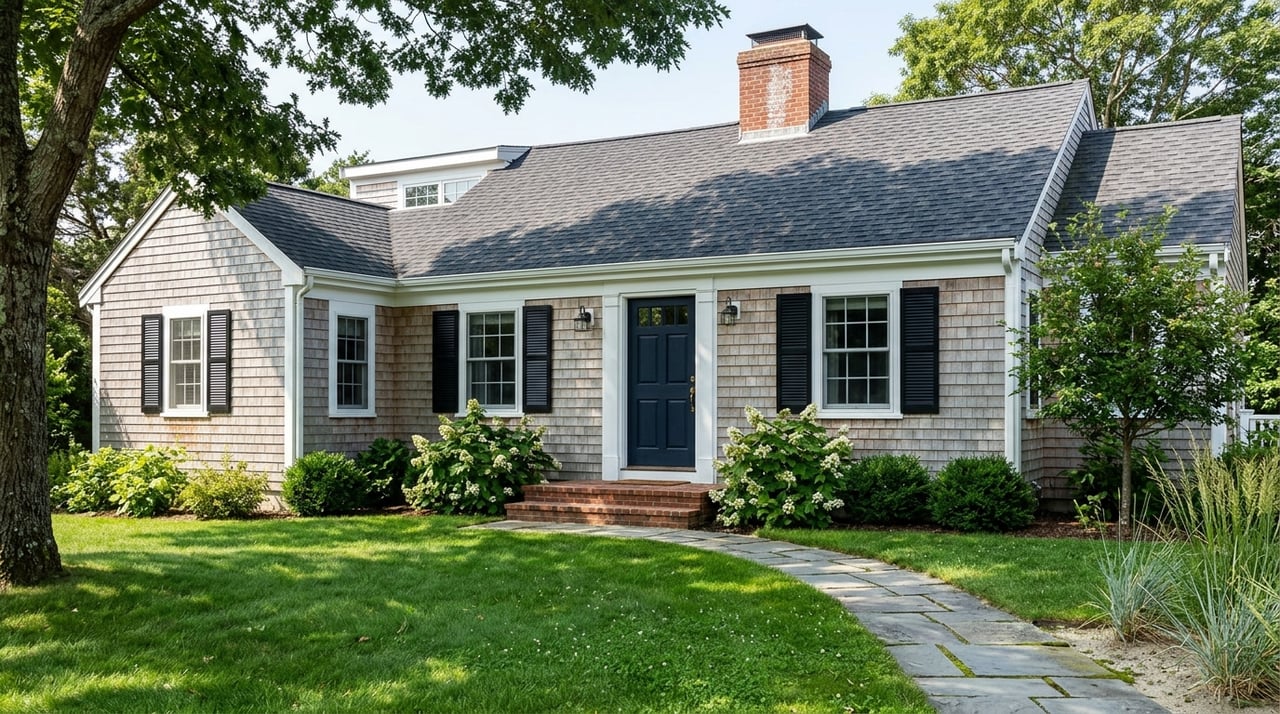
When buyers say they want to be “in-town” in Essex, they are usually talking about Essex Village first. It is the clearest example of a compact, historic, walkable setting in town, with a street pattern and zoning framework that support homes close together rather than spread far apart. For many downsizers, that can mean a more connected day-to-day experience and less land to maintain.
The Essex Village zoning district allows one-family dwellings by right, along with customary home occupations. The district standards are notably compact, with a minimum lot area of 15,000 square feet, minimum lot width of 60 feet, a front setback of 0 feet, side and rear setbacks of 5 feet, and maximum building coverage of 25%. Those standards help explain why some in-town homes feel closer to the street and more integrated into the village fabric.
The historic district is also part of the in-town conversation. The Essex Village National Register area includes streets such as Main Street, Pratt Street, Prospect Street, West Avenue, Parker Terrace, North Main Street, and New City Street as the northern border. The National Register designation is recognition only and does not itself place restrictions on private owners, though it can support preservation efforts and historic rehabilitation incentives.
Walkability and daily convenience
Many downsizers are looking for a home where daily life feels easier. In Essex Village, that often includes the ability to enjoy a more compact setting with sidewalks and some crosswalks along Main Street. At the same time, town transportation studies note that pedestrian infrastructure is incomplete on other nearby streets and still needs improvement.
That means “walkable” can vary a lot from one property to another. A home that looks close to the center of things on a map may still involve uneven routes or limited sidewalk connections. If being able to get around on foot is high on your list, it is smart to evaluate the specific block and route, not just the mailing address.
Home types to consider
Downsizing does not mean there is only one kind of home that makes sense. In Essex, the right fit may be a smaller single-family house, a condo, or another lower-maintenance option depending on your goals, budget, and comfort with upkeep.
Current listing portals show condo inventory in Essex, which is helpful for buyers who want to reduce exterior maintenance. Local zoning also allows accessory dwelling units in several residential districts, including Essex Village, and permits apartments in the Essex Village, Business, and Commercial districts through site plan review. The town’s zoning map also includes Active Adult Community and Residential Life Care districts, which adds useful context when thinking about age-friendly housing options in town.
Here is a simple way to think about the tradeoffs:
| Home type | Potential upside | Key thing to check |
|---|---|---|
| Smaller single-family home | More privacy and control | Ongoing exterior and system maintenance |
| Condo | Lower day-to-day upkeep | Monthly dues and possible special assessments |
| Age-focused housing option | May align with accessibility needs | Availability and community-specific rules |
Prioritize accessibility from the start
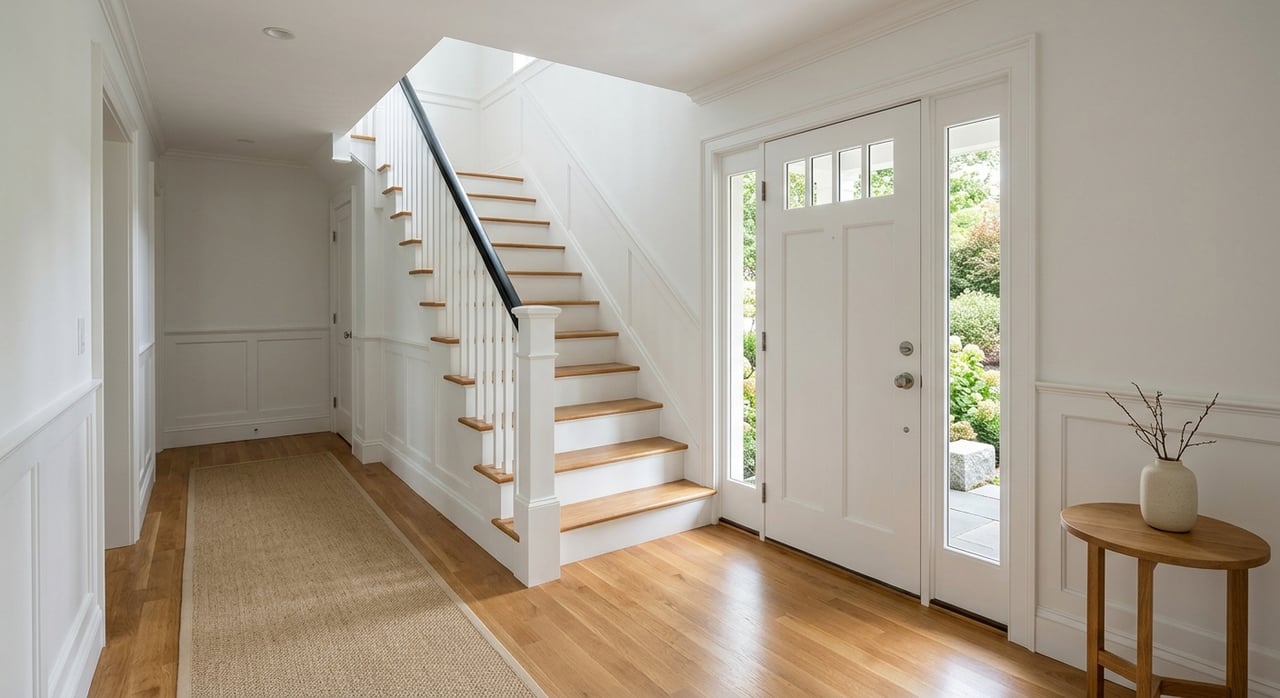
One of the most common downsizing mistakes is focusing only on size and location. A home can be smaller but still not work well if stairs, lighting, bathrooms, or entry access become a challenge over time. That is why accessibility should be one of your first filters, not an afterthought.
The National Institute on Aging recommends a room-by-room safety review and highlights practical features like ramps or handrails, stronger lighting, fewer slip hazards, grab bars near toilets and in tubs or showers, and removal of loose rugs. Even if you do not need those changes today, a home that can support them more easily may serve you better long term.
In Essex, this can be especially important in older homes where charm and layout do not always line up. A beautiful in-town property may still have narrow stairways, multiple level changes, or baths that would need updating. Looking at livability now can help you avoid an expensive second move later.
Essex utility details matter
Utility setup is a major due diligence item in Essex, especially if you are moving from a location with broader public infrastructure. The town states that there are no public sewers, and water is supplied either by a private well or by Connecticut Water Company. That means each property should be evaluated on its own setup.
For downsizers, this matters because utility systems directly affect maintenance, monthly costs, and peace of mind. If you are trying to simplify homeownership, you will want a clear picture of wastewater arrangements, water source, and any related upkeep before you commit. This is one of those details that can shape whether a property feels easy or demanding over time.
Budget beyond the price tag
If you are considering a condo or HOA-style property, the purchase price is only part of the financial picture. Monthly dues are often paid separately from the mortgage, and the Consumer Financial Protection Bureau says they can range from a few hundred dollars a month to more than $1,000 a month. Those fees can change the affordability equation quickly.
There is also the possibility of special assessments. NAR notes that associations may charge them when extra funds are needed. For a downsizer who wants predictability, reviewing the association budget, fee structure, and recent history can be just as important as evaluating the unit itself.
Selling before you downsize
For many Essex downsizers, the move involves two major steps at once: finding the next home and preparing the current one for sale. That process goes more smoothly when you start early and work from a clear plan. The goal is not just to sell, but to reduce stress while putting yourself in a strong position.
A pre-sale inspection is not required, but NAR says it can help uncover issues with the roof, structure, plumbing, electrical, HVAC, and other systems before buyers do. That gives you more control over whether to repair, disclose, or price around those issues. If you want fewer surprises once your home hits the market, this can be a helpful tool.
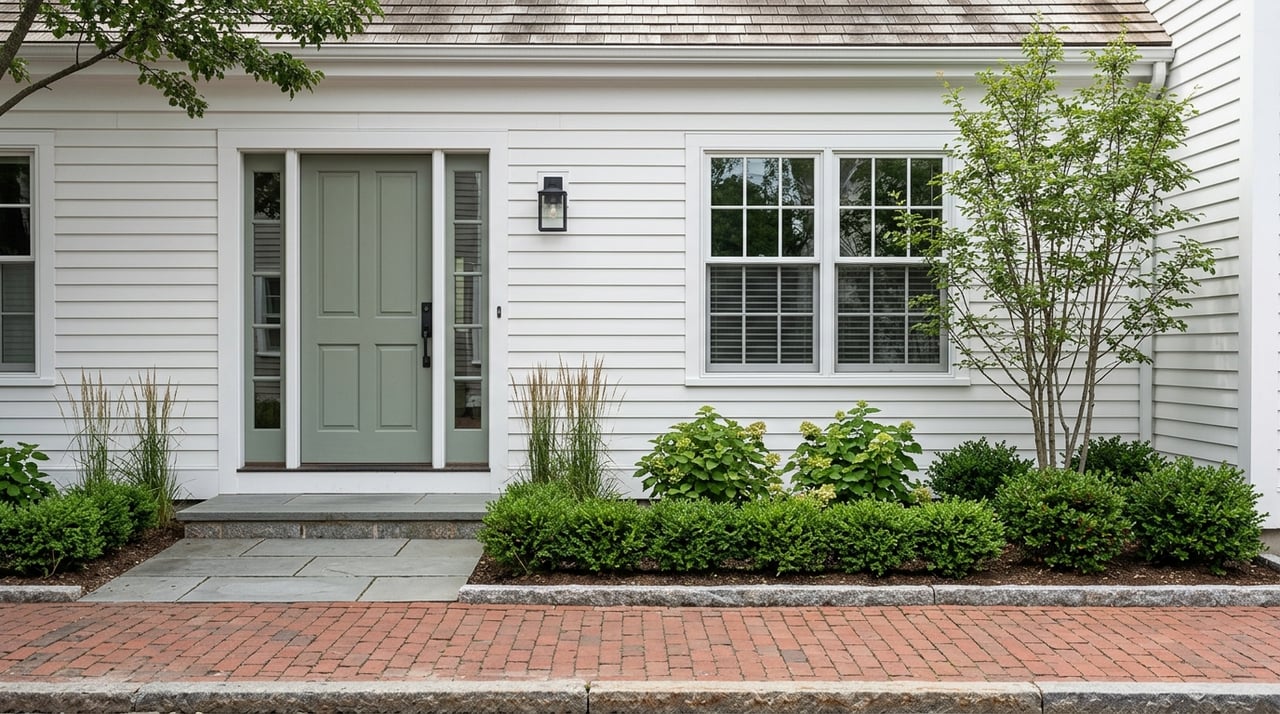
Preparation also includes the basics that buyers notice right away. NAR recommends cleaning windows, carpets, light fixtures, and walls, putting clutter away, improving curb appeal through landscaping and the front entrance, and gathering manuals and warranties for systems or appliances that will stay with the home. Staging, in simple terms, means cleaning, decluttering, repairing, and depersonalizing so buyers can picture themselves living there.
For many empty nesters, the hardest part is not the house work. It is the volume of belongings collected over many years. NAR recommends sorting items early into keep, store, sell, donate, or toss categories so your move and listing timeline feel more manageable.
A smart downsizing checklist
If you want to keep your search focused, use a checklist that reflects how you actually want to live in Essex.
- Decide what “in-town” means to you, especially in relation to Essex Village
- Separate must-haves from nice-to-haves
- Check whether first-floor living is available or possible
- Review sidewalks, crossings, and the specific route you would use most often
- Confirm water source and wastewater setup for each property
- Budget for condo or HOA dues if applicable
- Ask about recent or possible special assessments
- Consider whether the layout will still work for you several years from now
- Start decluttering your current home before your search gets serious
- Build a sale and purchase timeline that reduces overlap and stress
Why local guidance helps
Downsizing in Essex is not just about finding a smaller home. It is about matching your next home to the way this town actually works, from village layouts to utility details to the limited but meaningful range of lower-maintenance options. That kind of move tends to go better when your search is shaped by local knowledge, practical due diligence, and a realistic plan for both sides of the transaction.
If you are thinking about downsizing to Essex and want help sorting through the options, planning your sale, or finding the right in-town fit, Dylan Walter can help you make a smart, confident move.
FAQs
What does in-town Essex usually mean for homebuyers?
- In most cases, buyers are referring to Essex Village, where homes sit in a more compact historic setting with zoning that supports closer lot patterns and a village feel.
Are there condo options for downsizers in Essex, CT?
- Yes. Current listing portals show condo inventory in Essex, and condos can be a practical choice if you want lower day-to-day exterior maintenance.
What utility questions should downsizers ask in Essex?
- You should confirm each property’s water source and wastewater arrangement, because Essex states there are no public sewers and homes may use either a private well or Connecticut Water Company.
Are Essex Village homes walkable for daily errands?
- Some parts are more walkable than others. Town studies note sidewalks and some crosswalks along Main Street, but pedestrian infrastructure is incomplete on other nearby streets.
What costs should downsizers budget for beyond the purchase price?
- If you buy in a condo or HOA-style community, you should budget for monthly dues and review the possibility of special assessments in addition to your mortgage and other regular housing costs.
How should homeowners prepare for a downsizing sale?
- Start early with decluttering, basic cleaning, curb appeal updates, and a plan for repairs or disclosures. A pre-sale inspection can also help you understand issues before buyers raise them.