Wondering what kind of classic home you might actually find in Guilford? That is a smart question, because Guilford is one of those shoreline towns where house style can shape not just curb appeal, but also how you live day to day. If you are hoping to buy here, this guide will help you understand Guilford’s most recognizable home styles, where you are most likely to see them, and what to think about before you make an offer. Let’s dive in.
Why Guilford stands out
Guilford has an unusually deep mix of historic housing for a Connecticut shoreline town. Local tourism materials note that the town’s architecture spans from the 17th through the 21st centuries, with more than 675 dwellings built before 1911.
That matters because Guilford is not defined by just one look. Instead, you will see early Colonial homes, Federal houses, 19th-century styles, cottages, bungalows, Capes, ranches, and newer infill all sharing the same town landscape.
Where Guilford feels most historic
If you want the strongest sense of Guilford’s historic character, start around the Green. The Historic Town Center district includes more than 250 commercial and residential buildings and is especially rich in late Colonial and Federal architecture.
Guilford also has three other National Register historic districts: Meeting House Hill, Route 146, and Dudleytown. The Route 146 corridor is especially useful for buyers because it shows off a wide range of architecture, from 18th-century Colonial buildings to late 19th- and early 20th-century Victorian properties.
Colonial and saltbox homes
Some of Guilford’s best-known homes come from the colonial era. The town includes landmark properties such as the Henry Whitfield House from 1639 and the Hyland House, a 1713 saltbox, along with many surveyed Colonial homes on streets like Boston Street, Goose Lane, Long Hill Road, and State Street.
In practical terms, a classic New England Colonial is often a two-story wood-frame house with a central chimney and two rooms per floor. A saltbox usually has a long rear roof slope, which helped with weather and heat efficiency.
For you as a buyer, these homes often offer strong period character and a real sense of place. They can also come with more compact rooms and floor plans that feel historic rather than open and modern.
Federal homes
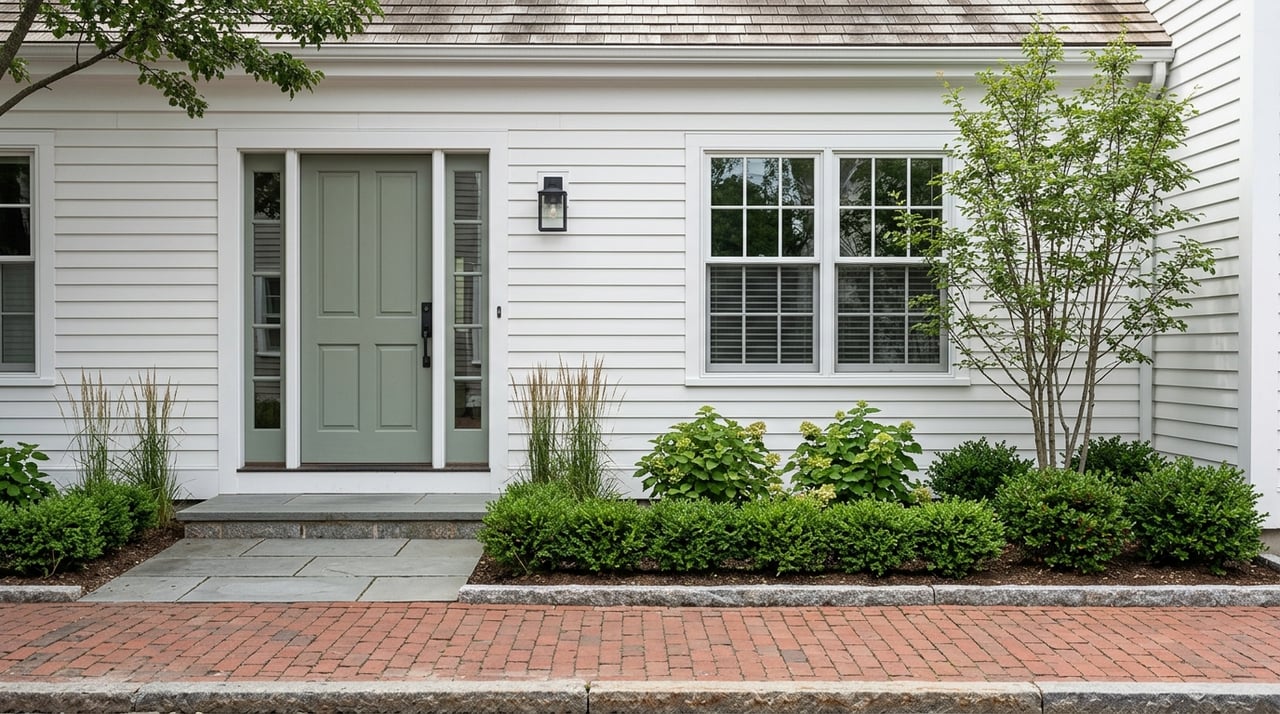
Federal-style homes are one of Guilford’s defining classic looks, especially in older parts of town. This style is typically balanced and symmetrical, often square or rectangular, with restrained ornament and details like fanlights, sidelights, or simple columns around the entry.
Guilford’s survey identifies Federal homes on Broad Street, Church Street, Goose Lane, and Long Hill Road. If you are drawn to formal, elegant architecture, this style may stand out to you right away.
Inside, Federal homes often feel orderly and refined. The tradeoff is that they may also have smaller, more divided spaces than newer construction, so it helps to think about how much you value historic layout versus a more open floor plan.
Greek Revival and Victorian styles
As Guilford grew through the 19th century, its housing stock expanded beyond colonial-era forms. Greek Revival became an important part of that next layer, with examples on Church Street, Boston Street, Goose Lane, and Long Hill Road.
Greek Revival homes are generally boxy and rectangular, with visual cues inspired by Greek temples. You may notice strong pediments, porches, and columns that give these houses a bold, classic presence.
Later 19th-century styles in Guilford include Italianate, Queen Anne, Shingle, and Folk Victorian homes. These tend to be more decorative and visually varied, with more trim, more complex rooflines, and more exterior detail.
If you love character, these homes can be incredibly appealing. At the same time, more exterior detail can also mean more elements to maintain or preserve over time.
Cape Cod, cottages, and bungalows
Not every classic Guilford home is large or highly formal. If you are looking for charm in a smaller or more manageable package, Cape Cod houses, cottages, and bungalows are especially worth watching.
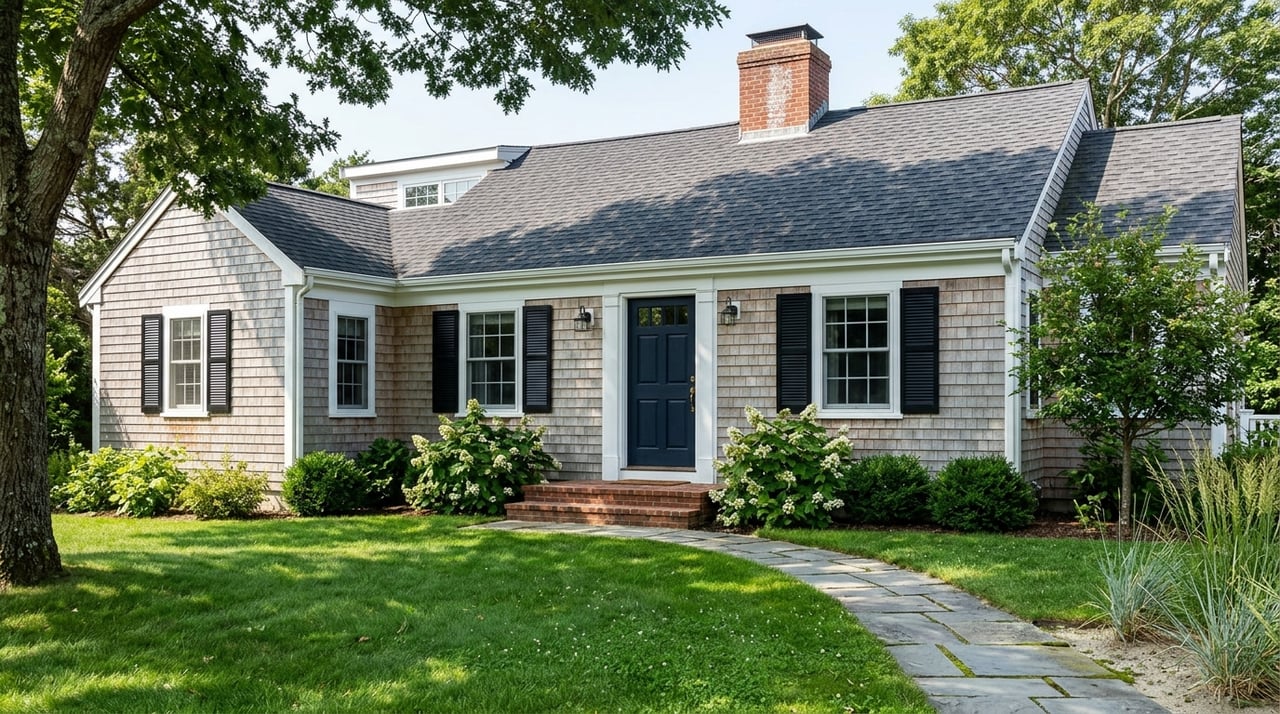
Traditional Cape Cod homes are generally low and simple, with a shallow-pitched gable roof, central chimney, central entry, and windows on each side of the front door. These homes were well suited to New England weather, and that simple form still appeals to many buyers today.
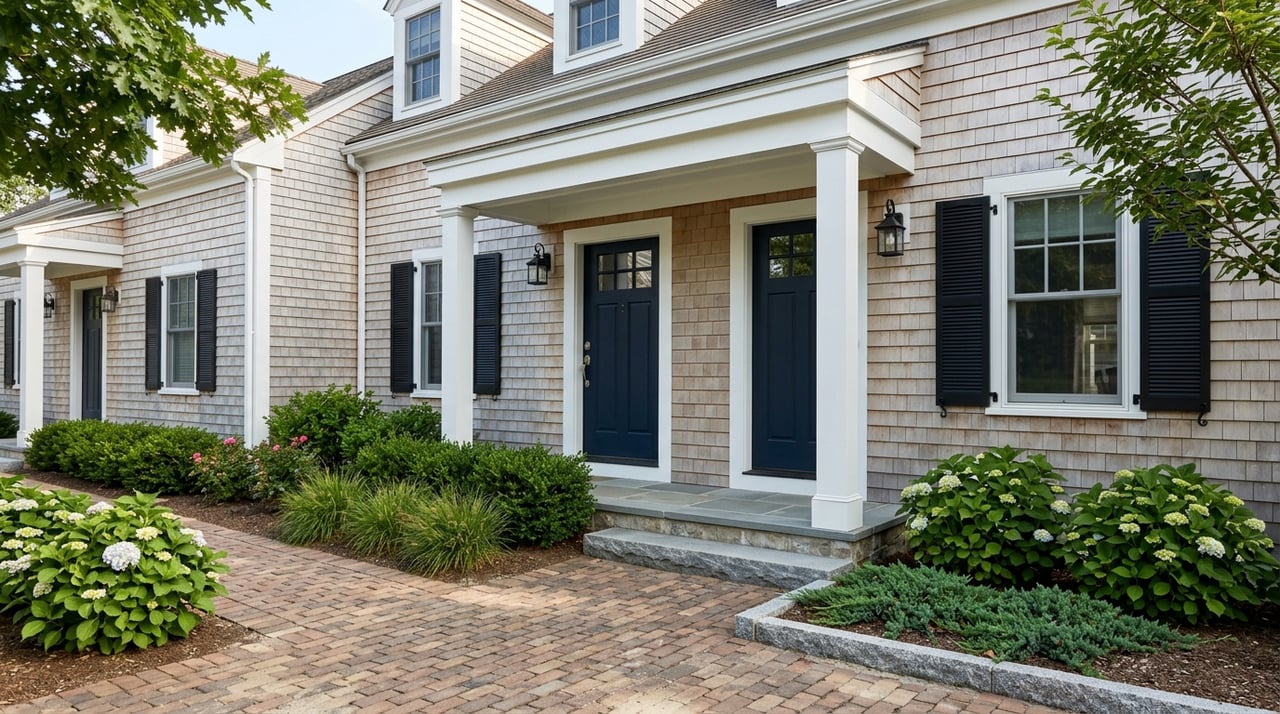
Guilford’s survey also includes Colonial Revival cottages and bungalow examples. Colonial Revival homes often borrow older design cues like symmetry, front porches, pilasters, fanlights, and decorative windows, while Craftsman bungalows are usually one to two stories with broad low gables, porch roofs, open interiors, stained woodwork, and built-ins.
For buyers, these homes can hit a sweet spot. You may still get classic New England style, but often in a footprint that feels easier to maintain than a much older or more elaborate house.
Ranches and newer homes
Guilford’s housing story does not stop with historic homes. Town materials note that the community’s architecture extends into the 21st century, and the local survey includes ranches and other vernacular houses as well.
That gives you real range as a buyer. You may be able to choose between a deeply historic property with period detail and a newer or simpler home with a more straightforward layout and fewer preservation concerns.
For some buyers, that tradeoff is the key decision. It often comes down to how much character you want, how much upkeep you are comfortable with, and how you want the home to function for everyday life.
What to know about historic districts
If you are considering a home in one of Guilford’s local historic districts, it is important to understand the rules before you buy. Under town code, exterior changes visible from a public street, way, or place require approval from the Guilford Historic District Commission.
That means a certificate of appropriateness is required before a building in the district may be erected, altered, restored, moved, or demolished. If your plans include visible exterior updates, this review process should be part of your decision-making early on.
It is also helpful to know that National Register listing alone does not prevent an owner from altering a property. Connecticut does note that National Register status can support grants, tax incentives, and certain protections under state law.
What upkeep looks like in a classic home
Buying a classic Guilford house often means taking a preservation-minded approach. Connecticut’s State Historic Preservation Office encourages owners to save historic windows whenever possible and to consider repair before replacement.
The state also notes that insulation and energy-efficiency work on historic homes should be handled in ways that preserve finishes and character. In real life, that means an older home may not be the best fit if your goal is to replace everything quickly with standard modern materials.
Instead, it helps to think of these homes as long-term stewardship projects. If you appreciate original details and want to make thoughtful improvements over time, Guilford’s classic homes can be especially rewarding.
How to choose the right Guilford style
The best home style for you depends on both taste and tolerance. A Colonial or Federal home may deliver the historic feel you love, but the layout and upkeep may ask more from you.
A Cape, cottage, or bungalow may offer a more manageable blend of charm and function. A ranch or newer home may feel easier day to day, even if it gives you less period detail.
As you compare options, think about these questions:
- Do you want historic character or a more modern layout?
- How much maintenance are you comfortable taking on?
- Would exterior review rules affect your renovation plans?
- Do you prefer formal rooms, compact spaces, or a more open interior?
- Are you looking for a home to preserve, update thoughtfully, or move into with minimal change?
In Guilford, style is not just about looks. It is closely tied to how the home lives, how it ages, and how much hands-on involvement it may require from you.
If you are weighing classic homes in Guilford, local context matters. Having someone who understands the town’s housing mix, historic character, and practical tradeoffs can make it much easier to narrow down the right fit. If you want help thinking through Guilford’s home styles and what may suit your goals, reach out to Dylan Walter for local, hands-on guidance.
FAQs
What classic home styles are most common in Guilford CT?
- Guilford is especially known for late Colonial and Federal homes in the town center, but buyers may also see Greek Revival, Italianate, Queen Anne, Shingle, Colonial Revival, Cape Cod, bungalow, ranch, and other vernacular homes.
Where can you find historic homes in Guilford CT?
- Some of the most visible historic areas are around the Green in the Historic Town Center, plus Meeting House Hill, the Route 146 corridor, and the Dudleytown area.
What is a saltbox home in Guilford CT?
- A saltbox is a colonial-era house form with a long rear roof slope, a shape that helped with weather protection and heat efficiency in New England.
What should buyers know about Guilford CT historic districts?
- In Guilford’s local historic districts, exterior changes visible from a public street, way, or place require approval from the Guilford Historic District Commission.
Are older Guilford CT homes harder to maintain?
- Older homes often come with more preservation-focused upkeep, especially when original features like windows or historic finishes are still in place.
Should you buy a historic or newer home in Guilford CT?
- It depends on your priorities, since historic homes usually offer more character and period detail, while newer or simpler homes may offer easier day-to-day maintenance and more modern layouts.