If you’re thinking about buying a condo or townhome in Madison, CT, you’ve probably noticed one thing fast: this is a small market, and the options can look very different from one listing to the next. Some homes live like townhouses, some sit close to downtown or the shoreline, and some come with monthly fees that can change the math more than buyers expect. The good news is that with the right local strategy, you can quickly sort out what fits your lifestyle, budget, and long-term goals. Let’s dive in.
Why Madison attracts condo buyers
Madison offers a shoreline lifestyle that appeals to buyers who want convenience without taking on all the upkeep of a single-family home. The town has three town beaches, Hammonasset Beach State Park, a Shore Line East station at 77 Bradley Road, and a nearly one-mile Hammonasset segment of the Shoreline Greenway Trail.
That mix helps explain why many buyers focus on low-maintenance homes with access to beaches, walkability, and commuting options. In Madison, the appeal is often about how you want to live day to day, not just the square footage on paper.
Expect a small, location-driven market
Madison’s condo and townhome inventory tends to be limited. Recent public search snapshots showed 8 results on Zillow and 14 condos with 0 townhouses on Redfin in its latest monthly snapshot.
That low supply matters because it can make the market feel selective. If you’re waiting for a very specific layout, location, or amenity set, you may need patience and a clear game plan.
Public listing examples also show a wide price range, from about $475,000 to $1.475 million. That means condos and townhomes in Madison are not just an entry-level option. In many cases, buyers are paying for location, convenience, newer finishes, or a more turnkey lifestyle.
Where condos and townhomes show up
Madison Center and East Wharf
A lot of current and recent listings cluster near Madison Center, the town green, and East Wharf. These areas stand out for buyers who want to be close to shops, restaurants, and shoreline access.
Examples in the public listing pool include an East Wharf townhouse one block from shops and restaurants and a short stroll to East Wharf Beach. Other listings have highlighted in-town living and walkability to the town green and beach.
Established condo communities
Buyers are also likely to see listings in established communities such as Windermere, Kensington North, Kensington Acres North, The Mews, Legend Hill, and the Island Avenue area. These communities make up much of the visible condo and townhome stock in town.
Because many of these are resale communities, each one can have its own fee structure, rules, maintenance standards, and overall feel. That’s why it helps to compare more than just price and bedroom count.
Condo or townhouse? In Madison, it may be both
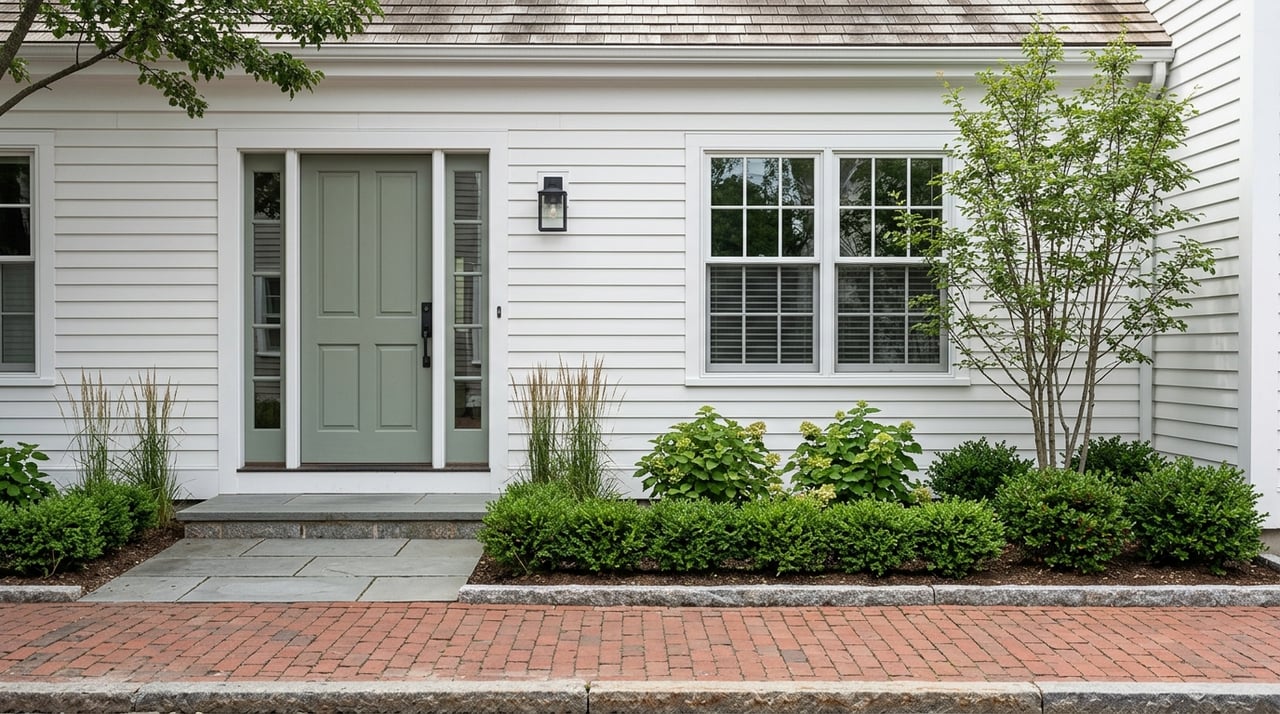
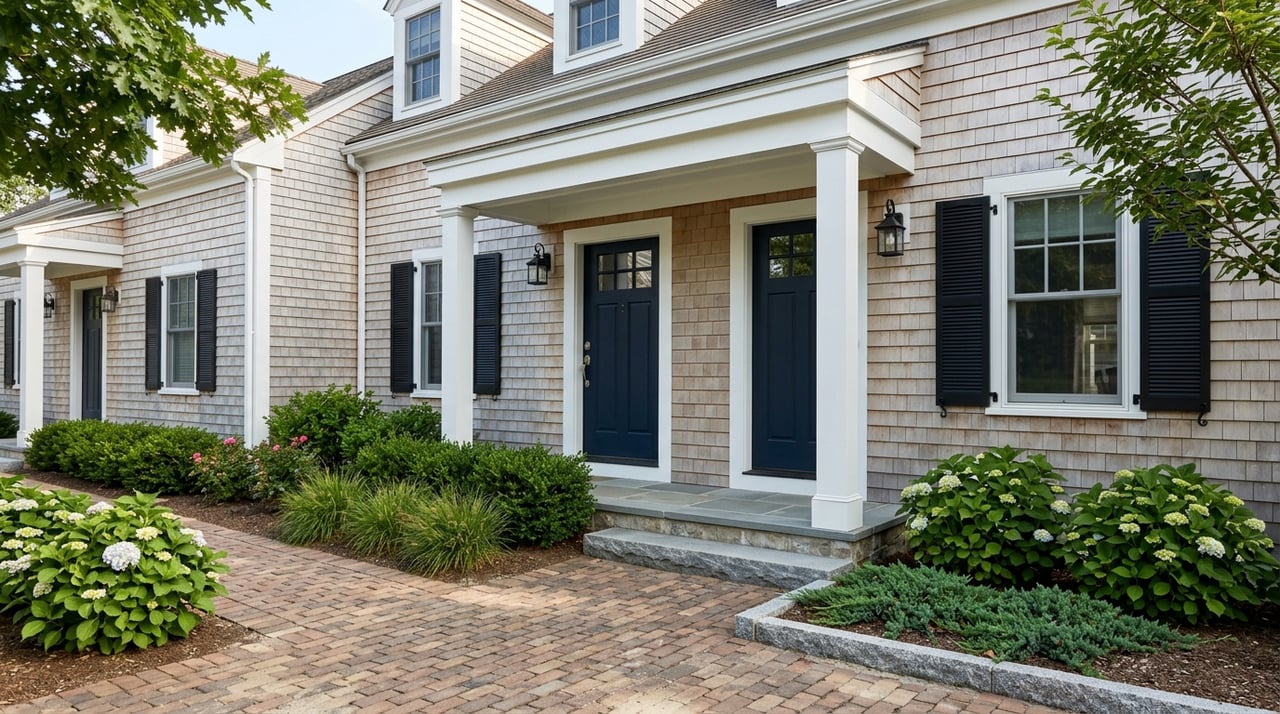
One of the most common points of confusion is ownership type. In Madison, many homes that look and live like townhouses are still legally condos.
Public listings often use labels like “Condominium, Townhouse” or simply “Condo,” even when the home has a townhouse-style layout or even a more detached appearance. Connecticut defines condos as separately owned units with common areas owned collectively by unit owners.
For you as a buyer, the key takeaway is simple: do not assume the exterior style tells you how ownership works. A townhouse-style home may still come with condo rules, shared responsibilities, and monthly HOA dues.
What the age of the housing stock means
Madison’s condo and townhome inventory appears to lean toward established resale communities rather than large new-construction townhouse subdivisions. Visible examples in the current public sample were built in 1977, 1979, 1985, 2004, and 2021.
That age mix can create different tradeoffs. Older communities may offer mature landscaping and a longer association history, while newer in-town or shoreline units may command higher prices for newer finishes and walkable locations.
Neither is automatically better. What matters is how the community has been maintained and what the association documents reveal about current finances, planned projects, and ownership rules.
HOA fees can change the real cost
Typical monthly fee range
In Madison’s public listing sample, monthly HOA dues ranged from the low $500s to nearly $1,000. Examples include $523 at 21 Evarts, $574 at 23 Hampshire, $615 at 28 Downing Way, $670 at 6 Ladshaw, $885 at a recent Legend Hill listing, $915 at 15 Cambridge, and $997 at 5 East Wharf.
That’s a meaningful monthly cost, so it should be part of your home search from the start. A lower purchase price can look less attractive once you factor in a higher monthly association fee.
What fees may cover
What’s included varies by community. Madison examples show HOA coverage that may include grounds maintenance, trash, snow removal, insurance, sewer, road maintenance, property management, clubhouse access, pool service, and tennis or pickleball.
A recent Legend Hill listing, for example, included a clubhouse, pool, tennis-pickleball, grounds maintenance, trash, snow removal, property management, and pool service. In general, the more services the association covers, the more the fee tends to rise.
Detached does not mean fee-free
Some buyers assume that if a home is free-standing or looks less attached, the association cost will be minimal or nonexistent. In Madison, that is not a safe assumption.
Even detached or free-standing condos can still carry HOA dues. Before you move forward with any property, make sure you understand exactly what the fee covers and what costs still fall on you.
Compare HOA dues and property taxes together
Madison’s tax environment is another reason to look beyond list price. The CCM data hub lists a FY2025 real and personal property mill rate of 22.43, and the town’s tax page says the mill rate will be 23.06 effective July 1, 2026.
For buyers, that means monthly ownership cost is about more than mortgage payment alone. When you compare properties, it helps to look at HOA dues and property taxes side by side so you get a clearer picture of your true carrying cost.
What to review before you buy
In Connecticut, condo documents matter a lot. The Department of Consumer Protection says the declaration, bylaws, rules and regulations, and resale documents make up the buyer’s ownership contract.
After the initial developer sale, the seller must provide a resale disclosure package. The association must file a contact person with the town clerk and provide the resale documents within 10 business days of request.
Key documents to review
Before closing, take time to review:
- The declaration
- The bylaws
- The rules and regulations
- The resale disclosure package
- The current budget
- Reserve information
- Any planned capital projects
These documents tell you how the community functions, what restrictions apply, and how financially prepared the association appears to be.
What the resale certificate can tell you
Connecticut’s statutory resale certificate is detailed. It covers common expense assessments, unpaid assessments, other fees, reserve amounts, budgets, capital expenditures over $1,000, judgments or lawsuits, insurance coverage, restrictions on sale or leasing, delinquency counts, foreclosure counts, and maintenance standards.
That makes the HOA packet one of your best tools for evaluating risk. It can help you spot whether a community appears well-managed, underfunded, highly restrictive, or facing future costs that may affect you after closing.
Questions worth asking early
Buying a condo or townhome in Madison is often less about the unit alone and more about the full ownership structure. Asking the right questions early can save time and avoid surprises.
Here are a few to keep front and center:
- Is this legally a condo, even if it looks like a townhouse?
- What exactly does the HOA fee cover?
- Are there pet rules?
- Are rentals allowed or restricted?
- What do reserves, budgets, and planned projects look like?
- Have there been recent or expected special assessments?
In Connecticut, pet rules can allow, limit, or prohibit pets depending on the bylaws. Rental permissions are also community-specific and should be confirmed in the bylaws and resale documents before you make an offer.
Condo or single-family in Madison?
For some buyers, the real decision is not condo versus townhouse. It is condo versus single-family.
Connecticut notes that condos can offer less maintenance responsibility and on-site amenities, but owners still pay for common-area upkeep and remain responsible for their own unit. A single-family home usually gives you more control over the property, but it also puts more day-to-day exterior maintenance directly on your shoulders.
In Madison, condos are not automatically the lower-cost option. CCM’s profile lists a 2023 median home value of $534,800, while visible condo and townhome examples run from about $475,000 to $1.475 million.
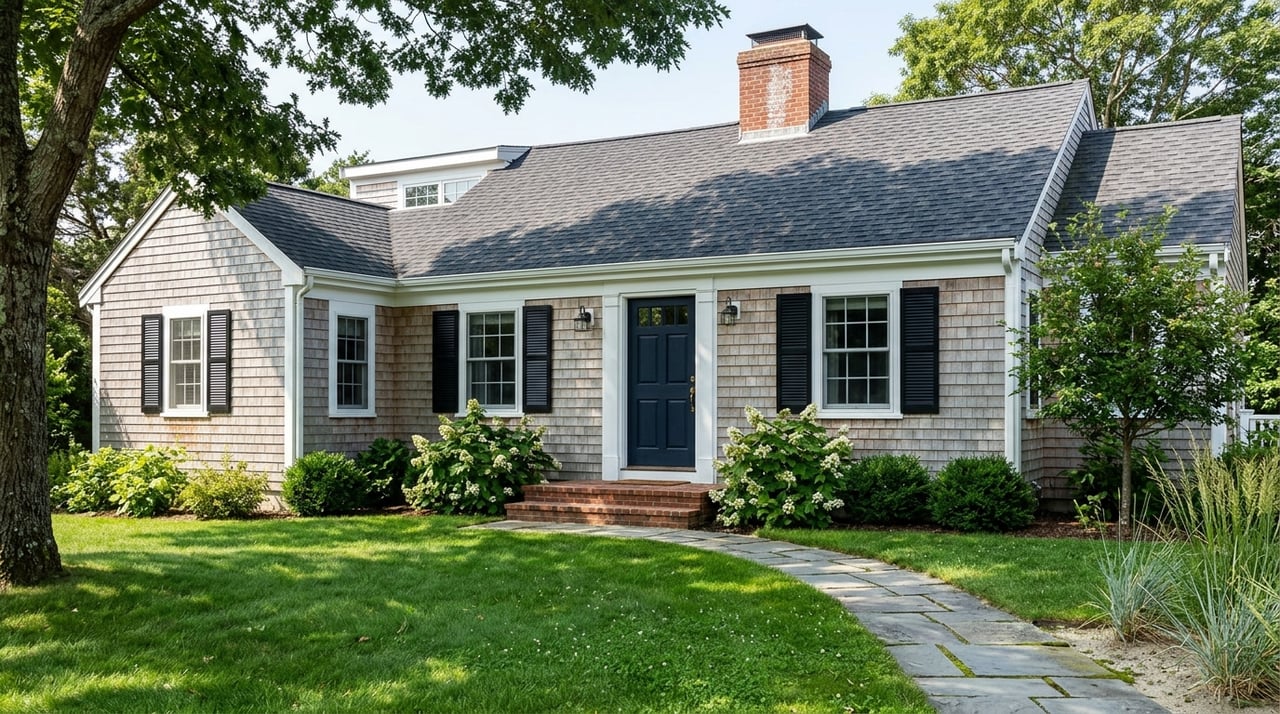
That’s why the value proposition here is often tied to lifestyle. If you want shoreline access, walkability, and less exterior upkeep, a condo or townhome may be a smart fit. If you want more autonomy and are comfortable handling more maintenance yourself, a single-family home may make more sense.
The bottom line for Madison buyers
Madison’s condo and townhome market is best understood as small, established, and location-driven. Inventory can be limited, monthly fees can be significant, and many homes that look like townhouses are legally condos with shared rules and responsibilities.
If you go in with a clear understanding of fees, documents, tax impact, and location tradeoffs, you’ll be in a much stronger position to buy with confidence. And in a market like Madison, that local clarity can make all the difference.
If you’re weighing condos, townhomes, or single-family options along the shoreline, Dylan Walter can help you compare the details, understand the tradeoffs, and make a smart move with confidence.
FAQs
What is the difference between a condo and a townhome in Madison CT?
- In Madison, many homes that look like townhomes are legally condos, so you should verify the ownership structure and association rules before making an offer.
What are typical HOA fees for condos in Madison CT?
- In the public listing sample, monthly HOA dues ranged from the low $500s to nearly $1,000, depending on the community and services included.
What do Madison CT condo HOA fees usually cover?
- HOA coverage varies, but public listing examples included grounds maintenance, trash, snow removal, insurance, sewer, road maintenance, property management, clubhouse access, pool service, and tennis or pickleball amenities.
Are condos in Madison CT cheaper than single-family homes?
- Not always. Visible condo and townhome listings ranged from about $475,000 to $1.475 million, while CCM lists Madison’s 2023 median home value at $534,800.
What condo documents should buyers review in Connecticut?
- Buyers should review the declaration, bylaws, rules and regulations, resale disclosure package, budget, reserve information, and any planned capital projects.
Are pets allowed in Madison CT condo communities?
- Pet rules depend on the individual community’s bylaws, and they may allow, limit, or prohibit pets.
Can you rent out a condo in Madison CT?
- Rental permissions are community-specific and should be confirmed in the bylaws and resale documents before you buy.
Where are most condos and townhomes located in Madison CT?
- Current and recent public listings tend to cluster near Madison Center, the town green, East Wharf, and established communities like Windermere, Kensington North, Kensington Acres North, The Mews, Legend Hill, and the Island Avenue area.