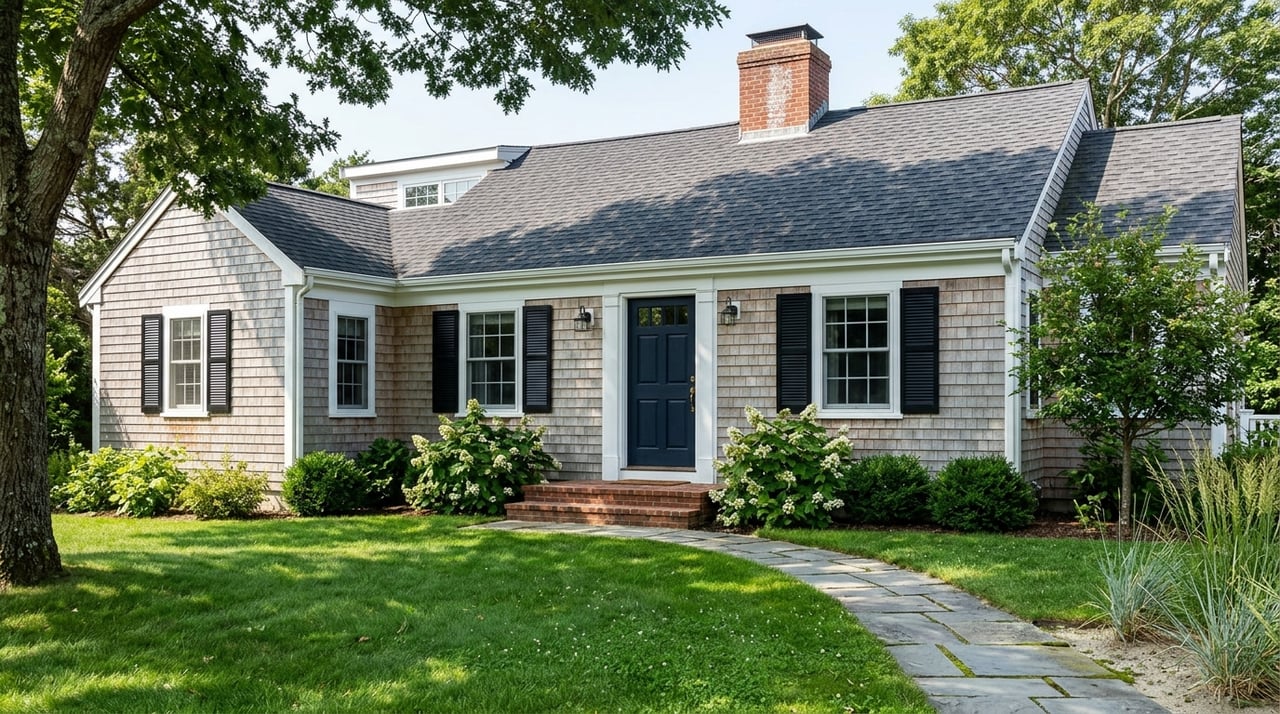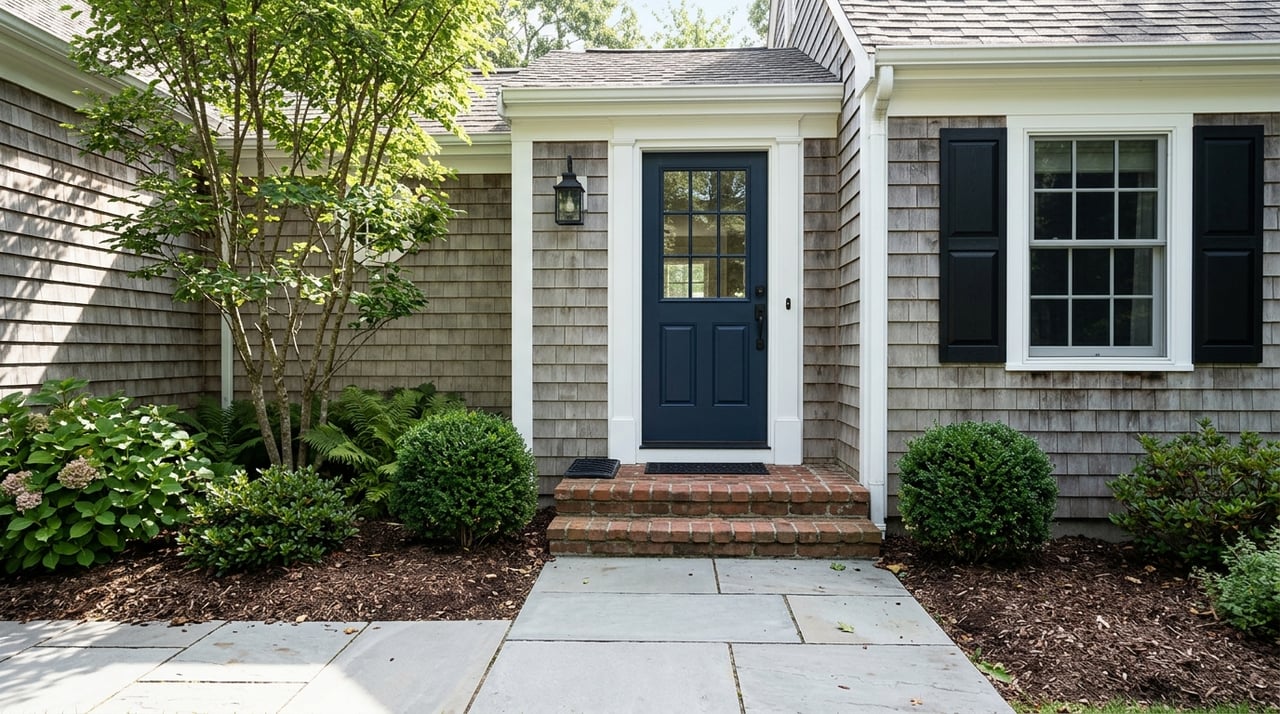
If you want your Clinton home to sell smoothly, the work you do before it hits the market matters more than most sellers expect. Buyers notice cleanliness, condition, and signs of maintenance right away, especially in a shoreline market where questions about moisture, permits, and systems can come up fast. The good news is that you do not need a full remodel to make a strong impression. You just need a smart plan that reduces uncertainty and helps buyers feel confident from the start. Let’s dive in.
Focus on first impressions
When buyers walk up to your home or scroll through listing photos, they form an opinion quickly. That is why decluttering, cleaning, and curb appeal are some of the most common recommendations agents give sellers.
NAR’s 2025 staging research found that most buyers’ agents said staging helps buyers picture a home as their future residence. The same research also found that some sellers’ agents reported a 1% to 10% increase in the dollar value offered for staged homes.
That does not mean you need to overhaul the property. In most cases, the goal is to make the home feel clean, open, and easy to understand.
Start with simple staging moves
A practical pre-sale reset often includes a few basic steps:
- Pack away personal items
- Remove extra furniture that makes rooms feel tight
- Deep clean floors, surfaces, kitchens, and baths
- Add fresh towels and simple bedding
- Use neutral paint where needed
- Make the front entry feel welcoming and well-kept
These changes help buyers focus on the home itself instead of your stuff. They also make a big difference in photos, which remain one of the most important parts of marketing a listing.
Prioritize key rooms for photos
Before your photographer arrives, make sure your living room, primary bedroom, kitchen, and front entry are especially polished. NAR reports that photos, physical staging, videos, and virtual tours are highly important to buyers’ agents, so the rooms buyers notice most should be ready early.
Address exterior issues early
In Clinton, exterior condition can carry extra weight. Shoreline weather, wind, and moisture can leave behind wear that buyers and inspectors spot quickly.
A home does not need to be perfect, but visible maintenance issues can create doubt. When buyers see small problems outside, they often wonder what larger issues may be hiding inside.
Check siding, trim, and paint
Exterior maintenance guidance recommends inspecting for:
- Loose or missing siding pieces
- Warping or mildew
- Cracked mortar
- Peeling or blistering paint
- Damaged trim
- Failing caulk
- Cracked glass
- Moisture between window panes
- Worn weatherstripping
These are the kinds of details that can affect both curb appeal and buyer confidence. Fixing them before listing can help your home feel better maintained from the first showing.
Stay ahead of water and moisture
UConn recommends keeping gutters clean, roofs leak-free, insulation in good shape, and weatherstripping maintained. It also notes that mold can begin growing on materials that stay wet for more than two or three days, so water intrusion should be dried out promptly.
For Clinton sellers, this is especially important. If your home has had any recent leaks, damp areas, or moisture-related issues, handling them before listing is usually the better move than waiting for a buyer or inspector to discover them.
Trim trees and clean up the yard
Outdoor presentation still matters, even when buyers are focused on the house itself. Overgrown landscaping, branches near the home, clogged gutters, and worn entry areas can make a property feel harder to maintain.
A simple cleanup can go a long way. Clear the walkway, trim where needed, remove yard clutter, and make sure the approach to the home feels open and cared for.
Organize repairs, systems, and permits
One of the best ways to prepare your Clinton home for sale is to get ahead of the paperwork tied to past work. If a buyer asks whether an upgrade was permitted or whether a system was serviced, you want a clear answer.
That is especially true for shoreline homes and older homes, where buyers may ask more detailed questions about heating, plumbing, electrical work, or tank history.
Gather permit records and approvals
Clinton’s Building Department handles permits and inspections for building, electrical, plumbing, heating, air conditioning, demolitions, and gas or oil tank installations or removals. As of January 1, 2025, the town says separate mechanical permits are required for electric, plumbing, and heating work.
If you have completed any of this work, it is worth pulling your records before listing. Final sign-offs and permit documentation can help answer buyer questions quickly and keep your transaction moving.
Verify contractor work
Connecticut DCP says home improvement contractors must be registered, and homeowners can verify status through the state’s eLicense system. The state also advises getting references before work begins.
If you are doing pre-listing repairs now, use registered contractors and keep copies of invoices, receipts, and any permit-related paperwork. If work was done in the past, gather what you have so your agent can help present a clear picture of the home’s upkeep.
Review heating oil tank history
If your home has or previously had a residential heating oil tank, check your records before you go live. Connecticut DEEP says contamination and cleanup are regulated, there is no DEEP funding for tank removal or leaking-tank cleanup, and remedial actions must be performed by a permitted spill cleanup contractor.
For some older Clinton homes, tank paperwork and leak history can become important quickly. If you already have documents related to installation, removal, or cleanup, keep them organized and easy to share.
Prepare Connecticut disclosures in advance
A smooth sale often depends on how quickly you can answer a buyer’s questions. In Connecticut, that starts with having the right disclosure paperwork ready before your home goes on the market.
Waiting until after you receive an offer can slow things down. A better approach is to assemble the key documents early so you are prepared from day one.
Know which condition reports may apply
Connecticut’s Residential Property Condition Report took effect on July 1, 2025. Certain owners may also need the new Residential Foundation Condition Report.
Clinton appears on CRCOG’s affected or potentially affected towns list, but the foundation report applies only to the specific transfers described on the form. The report itself also states that it is not a warranty and not a substitute for an inspection.
Be ready for flood-related questions
The Connecticut condition report asks about current flood insurance, whether a FEMA elevation certificate is available, and whether the property has had water penetration or flood damage. It also tells buyers to consult the municipal building official to confirm permits and certificates of occupancy.
For Clinton sellers, especially near the shoreline, this makes organization even more important. If you have flood-related documents, elevation paperwork, or records of past water issues and repairs, gather them before listing.
Handle lead disclosures early
If your home was built before 1978, lead-based paint rules may apply. Federal law requires sellers of most pre-1978 housing to disclose known lead-based paint information, share available records, provide the lead pamphlet, include a warning statement, and allow a 10-day inspection or risk-assessment window.
If you are planning any painting or repairs before listing, be careful not to disturb existing lead-based paint without proper handling. This is one of those issues that is much easier to manage early than in the middle of a deal.
Follow a smart pre-listing order
It is easy to get overwhelmed when you are preparing to sell. The simplest way to stay on track is to tackle the work in the right sequence.
A practical Clinton seller checklist
- Declutter, deep clean, and simplify each room.
- Make your living room, kitchen, primary bedroom, and front entry photo-ready.
- Fix visible exterior wear, active leaks, and moisture issues.
- Clean gutters, check caulk, and address siding, trim, or paint concerns.
- Service mechanical systems and gather maintenance records.
- Pull permit records and final approvals for past work.
- Verify any contractor work you complete before listing.
- Organize disclosure documents, lead records, flood paperwork, and any elevation certificate.
This order helps you focus on the tasks that improve presentation first, then move into the items that reduce friction during inspections, attorney review, and buyer due diligence.
Why preparation pays off
The best pre-listing strategy is not about chasing perfection. It is about reducing surprises.
When your Clinton home looks cared for, shows well in photos, and comes with organized records, buyers tend to feel more comfortable making a strong move. That can lead to better early interest, smoother conversations after showings, and fewer avoidable delays once you are under contract.
If you are getting ready to sell in Clinton or anywhere along the Connecticut shoreline, working with someone who understands local housing stock, common condition questions, and town-specific paperwork can make the process a lot less stressful. If you want practical guidance on what to fix, what to leave alone, and how to prep your home for the market, connect with Dylan Walter.
FAQs
What should I do first before listing a home in Clinton, CT?
- Start by decluttering, deep cleaning, and simplifying the home, then focus on curb appeal and the rooms that will appear in listing photos.
What exterior issues matter most when selling a Clinton home?
- Visible siding damage, peeling paint, failing caulk, gutter issues, roof leaks, moisture intrusion, and worn trim are all common issues buyers and inspectors may notice quickly.
What permits should Clinton, CT sellers gather before selling?
- If you have done building, electrical, plumbing, heating, air conditioning, demolition, or gas or oil tank work, gather any permits, inspection records, and final approvals from the Town of Clinton.
What disclosures are important for a home sale in Connecticut?
- Sellers should be prepared for the Connecticut Residential Property Condition Report, and some transfers may also require the Residential Foundation Condition Report, along with any applicable lead-based paint disclosures for pre-1978 homes.
Why do flood records matter for Clinton, CT home sales?
- Connecticut’s condition report asks about flood insurance, elevation certificates, and past water penetration or flood damage, so having those records ready can help answer buyer questions early.
Should I stage my Clinton home before selling?
- Yes, even simple staging like cleaning, decluttering, removing bulky furniture, and refreshing key rooms can help buyers picture the home more easily and support stronger presentation in photos and showings.